Human Interest
Jane Goodall, Beloved Champion of Chimpanzees and the Natural World, Dies at 91

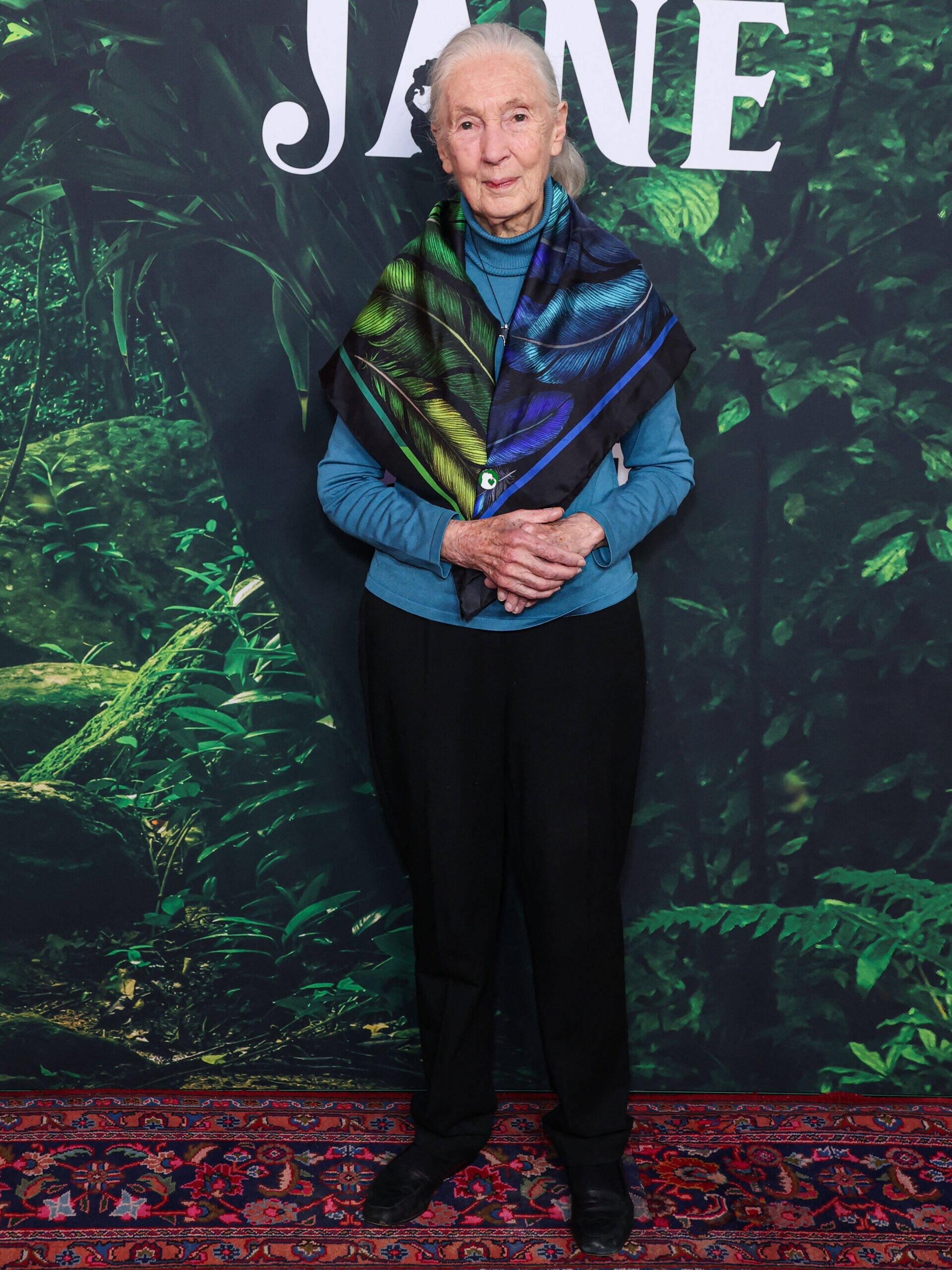
World-renowned conservationist Dr. Jane Goodall died at 91 years old on Wednesday, October 1.
According to a statement from the Jane Goodall Institute, Goodall passed away from natural causes while on a speaking tour in California. She is survived by her son Hugo and three grandchildren.
For more than six decades, Goodall dedicated her life to understanding chimpanzees and teaching the world that they’re similar to humans.
Her life’s work began in 1960, when Jane, then 26 years old, travelled to Tanzania’s Gombe Stream National Park. After months spent observing chimps, she made a groundbreaking discovery: A chimp she named David Greybeard used a blade of grass as a tool to fish for termites.
“Up until that time, it was thought by Western science that humans were the only creatures who could use and make tools,” Goodall told People.
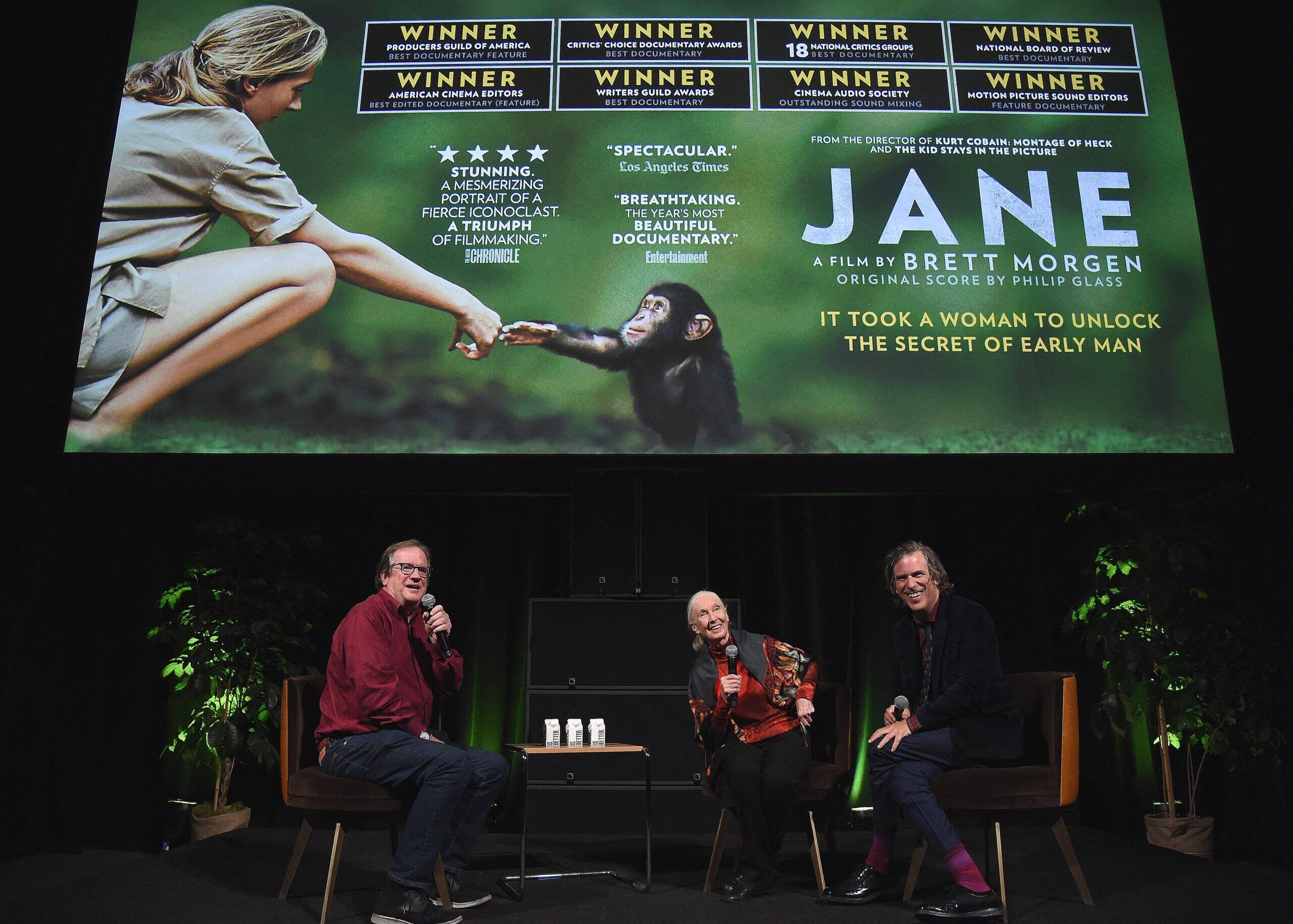
Goodall’s tireless efforts uncovered that Chimps have emotions, personalities and intelligence.
Her work didn’t stop in the forest. In 1986, the fearless Goodall made the decision to leave Gombe to challenge the act of chimps being stolen from their habitats to be used in circuses or for use in cruel scientific studies. Her efforts helped shine a light on the practices on the world stage and establish sanctuaries for chimps she was able to free from captivity.
Throughout her life, Goodall endeavored to inspire the next generation to follow in her footsteps as guardians of the planet by founding the Jane Goodall Institute and travelling the world to urge action on climate change and conservation.
“I just know that if we carry on with business as usual, we’re going to destroy ourselves,” she told CBS News in 2020. “It would be the end of us, as well as life on Earth as we know it.”