Entertainment
Daniel Craig’s Casting in ‘Casino Royale’ Sparked Backlash Before Filming Began, More Facts

Twenty years after its release, Casino Royale remains one of the most influential reinventions in film franchise history. Released in November 2006, the film introduced audiences to a grittier, more emotionally vulnerable James Bond and successfully relaunched the long-running spy series for a new generation. Directed by Martin Campbell, the movie marked the debut of Daniel Craig as 007 and was adapted from Ian Fleming‘s very first Bond novel.
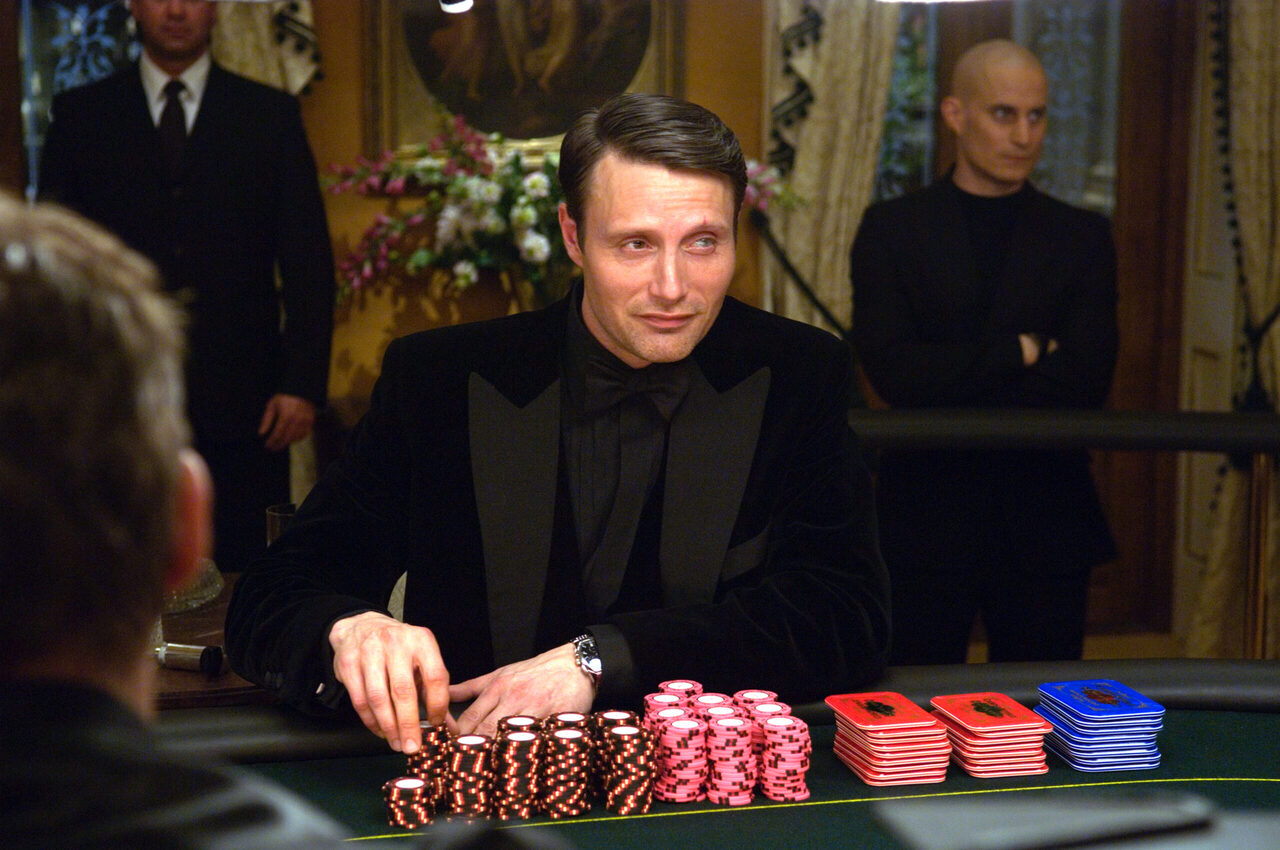
Unlike many earlier Bond adventures, Casino Royale begins with Bond earning his “00” status. The story follows him as he tracks a terrorist financier, Le Chiffre, played chillingly by Mads Mikkelsen. Bond’s mission leads him to a high-stakes poker tournament at the Casino Royale in Montenegro, where Le Chiffre hopes to recover money lost in a failed terrorist scheme. Along the way Bond meets Treasury agent Vesper Lynd, portrayed by Eva Green, who becomes far more than a typical Bond love interest. Their romance ultimately reshapes Bond emotionally and ends in heartbreak in Venice. The film closes with Bond fully embracing his legendary identity, delivering the now-iconic introduction: “The name’s Bond, James Bond.”
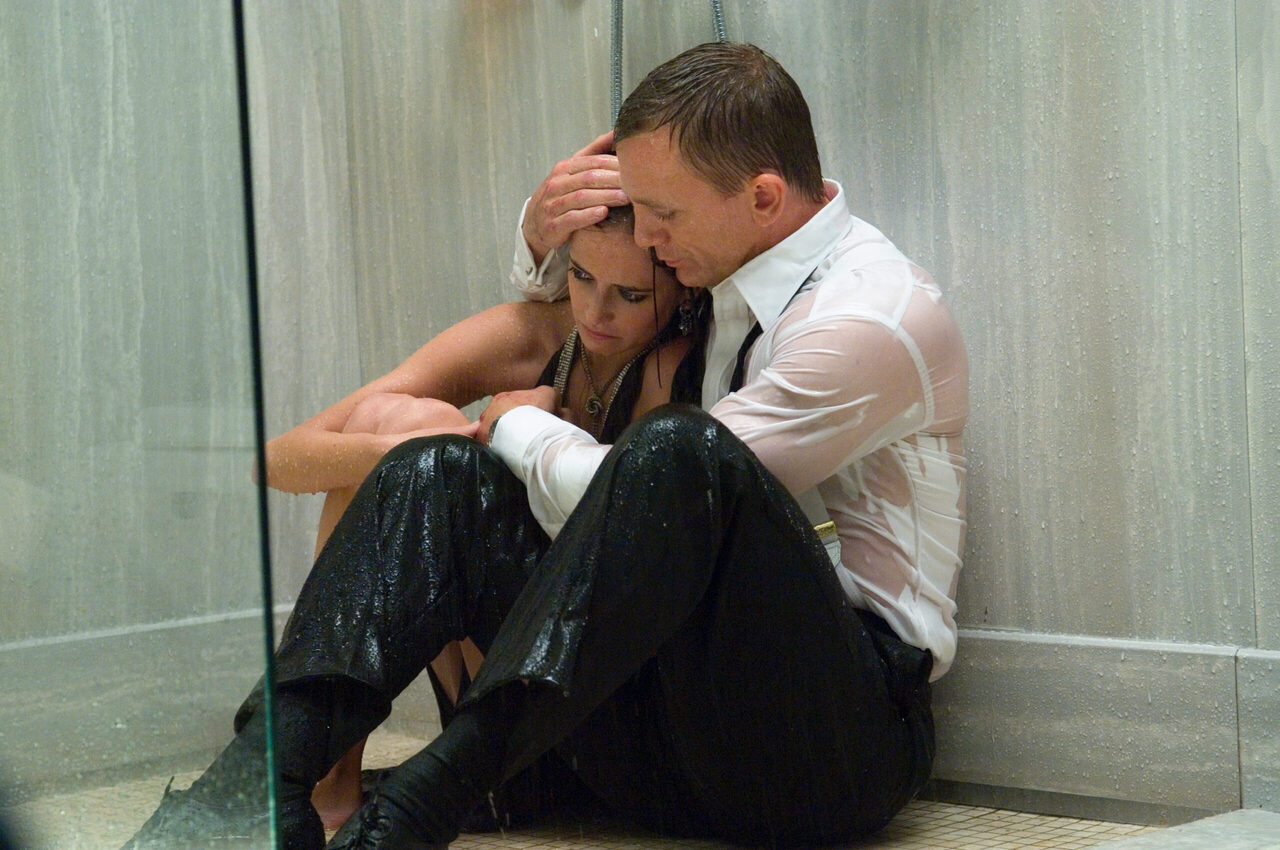
Behind the scenes, the production was almost as dramatic as the story itself. Craig’s casting sparked intense backlash before filming even began. Some fans complained that the blond actor did not resemble the traditional Bond image established by Sean Connery and Pierce Brosnan. Craig later admitted the criticism was difficult, but the finished film silenced most doubters and earned widespread acclaim.
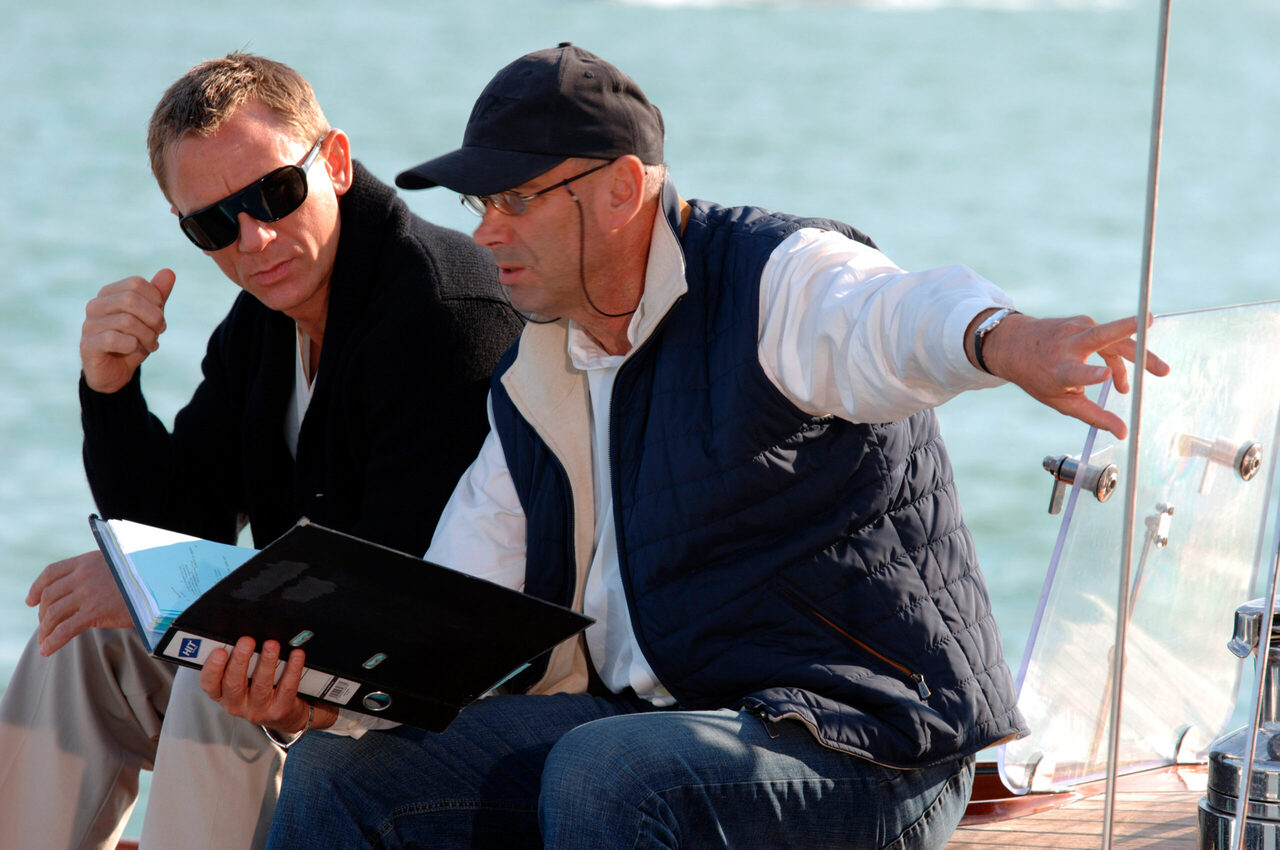
The opening parkour chase through a construction site in Madagascar became one of the movie’s signature sequences. The filmmakers hired freerunning pioneer Sébastien Foucan to play the bomb maker Mollaka, making the action scenes unusually raw and athletic. Craig performed many of his own stunts and suffered numerous injuries during production, including damaged teeth and a sliced fingertip.
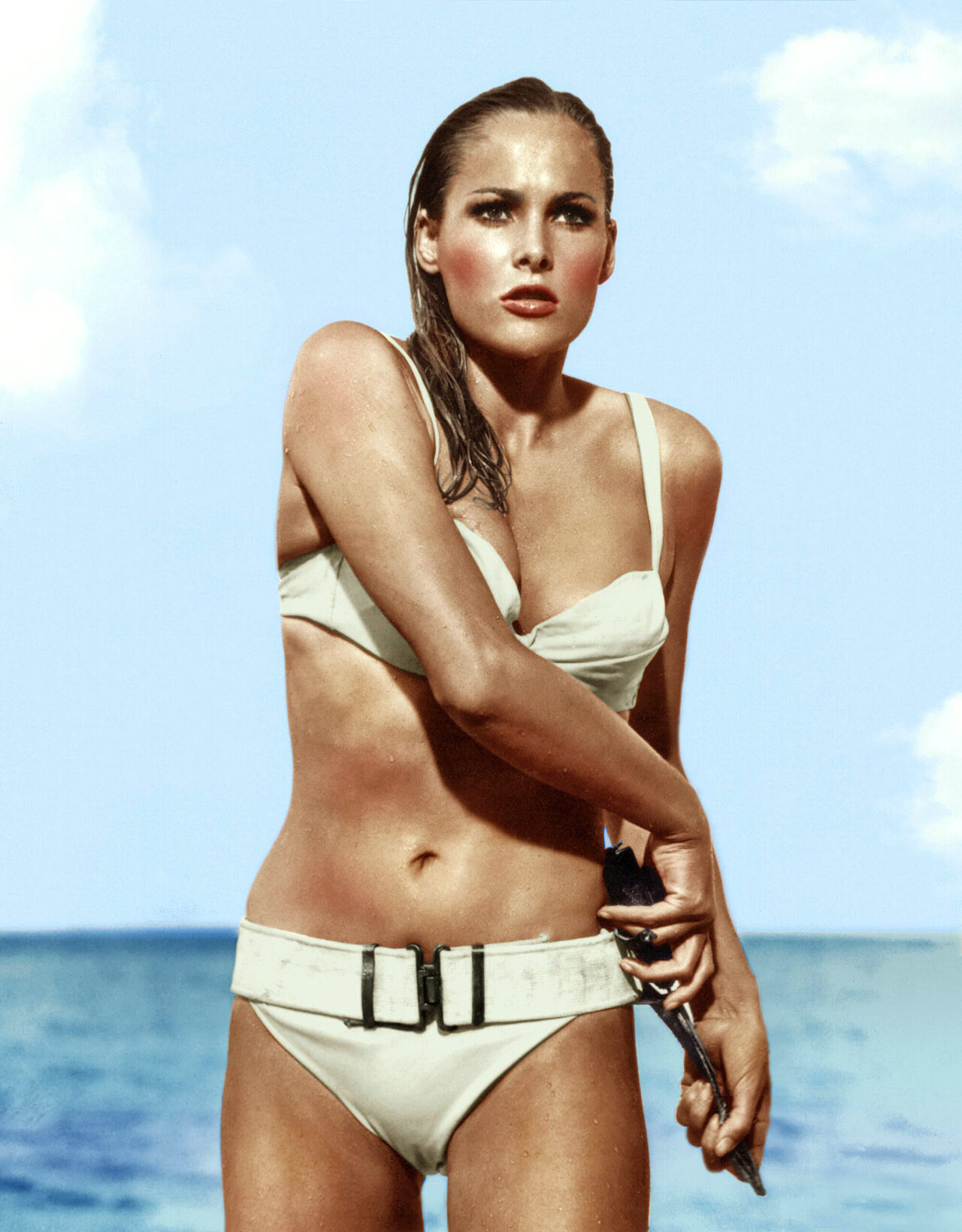
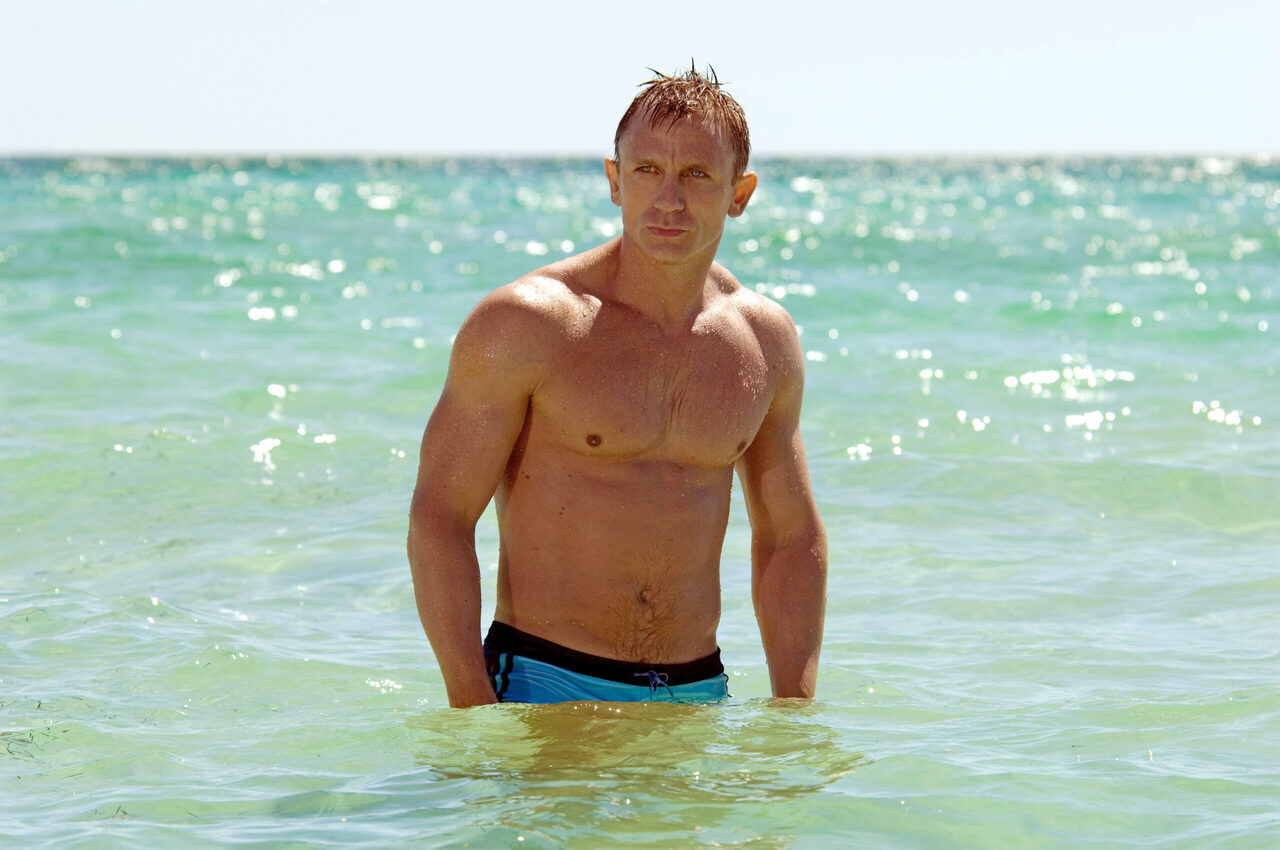
One of the movie’s most famous filming stories occurred in the Bahamas. During the scene in which Bond emerges from the sea in blue swim trunks, Green later joked that Craig became an overnight sensation because of the moment. The scene intentionally echoed the famous beach entrance of Ursula Andress in 1962’s Dr. No, the first 007 film. It quickly became one of the defining images of Craig’s Bond era.
The production also traveled extensively, shooting in Prague, the Bahamas, Italy and England, according to a report from Variety. Although the story is set partly in Montenegro, the lavish casino interiors were actually filmed in the Czech Republic. The spectacular sinking Venetian building featured in the climax combined an enormous practical set with groundbreaking visual effects.
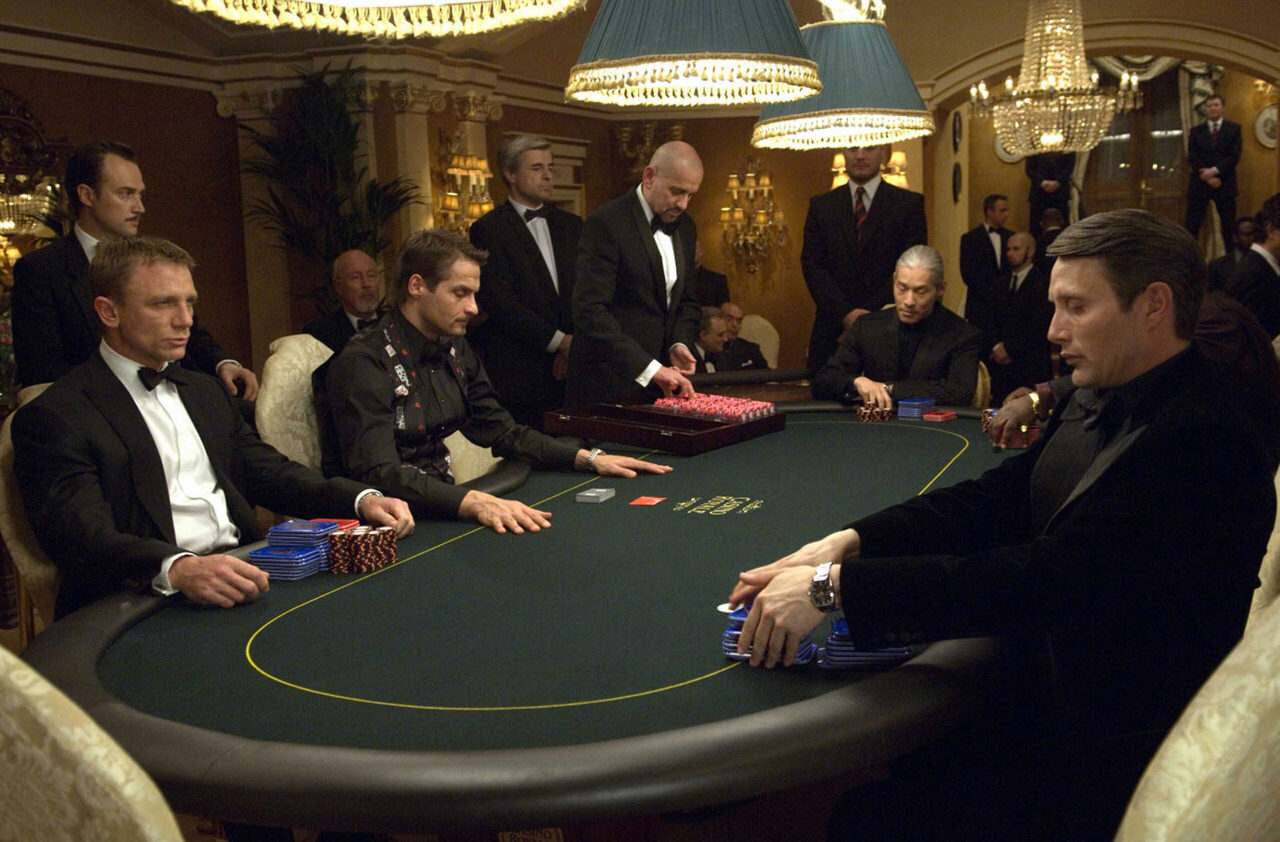
Campbell reportedly explained the filmmakers’ approach by saying they wanted Bond to feel less like an invincible superhero. That grounded style helped distinguish Casino Royale from the gadget-heavy excess of earlier installments. Critics and audiences responded enthusiastically, making it the highest-grossing Bond film at the time of its release.
Two decades later, Casino Royale is still widely regarded as one of the greatest Bond films — a thrilling espionage story that balanced brutal action with genuine emotion and permanently changed the direction of the franchise.