Entertainment
Anthony Hopkins Wasn’t the First Choice for The Silence of the Lamb’s Hannibal Lecter, More Facts

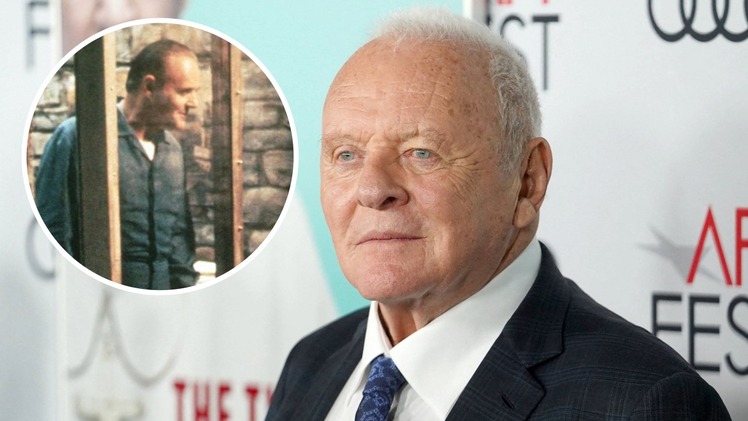
Dumped into the so-called movie wasteland of January and February — opening on Valentine’s Day no less — The Silence of the Lambs looked like anything but an awards juggernaut. Yet the 1991 thriller stunned Hollywood by becoming a box-office smash and sweeping the five major Academy Awards.
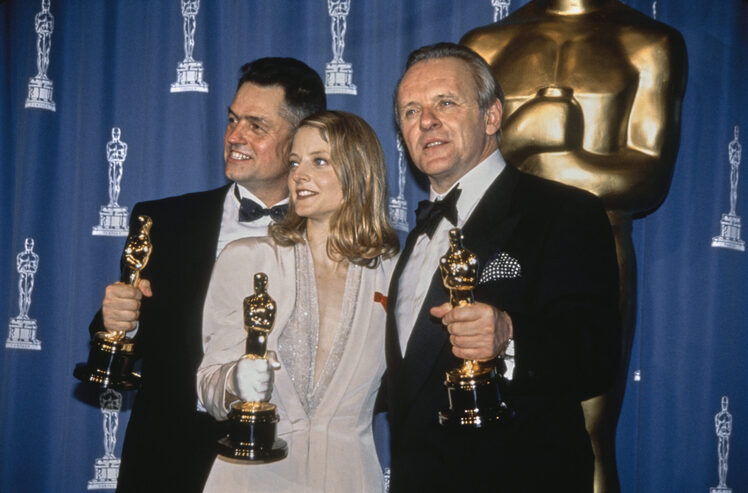
The film silenced every skeptic. It won Best Picture, Best Director for Jonathan Demme, Best Actor for Anthony Hopkins, Best Actress for Jodie Foster and Best Adapted Screenplay for Ted Tally. Only two films had accomplished that feat before: It Happened One Night and One Flew Over the Cuckoo’s Nest. A grim serial-killer drama had joined rarefied company.
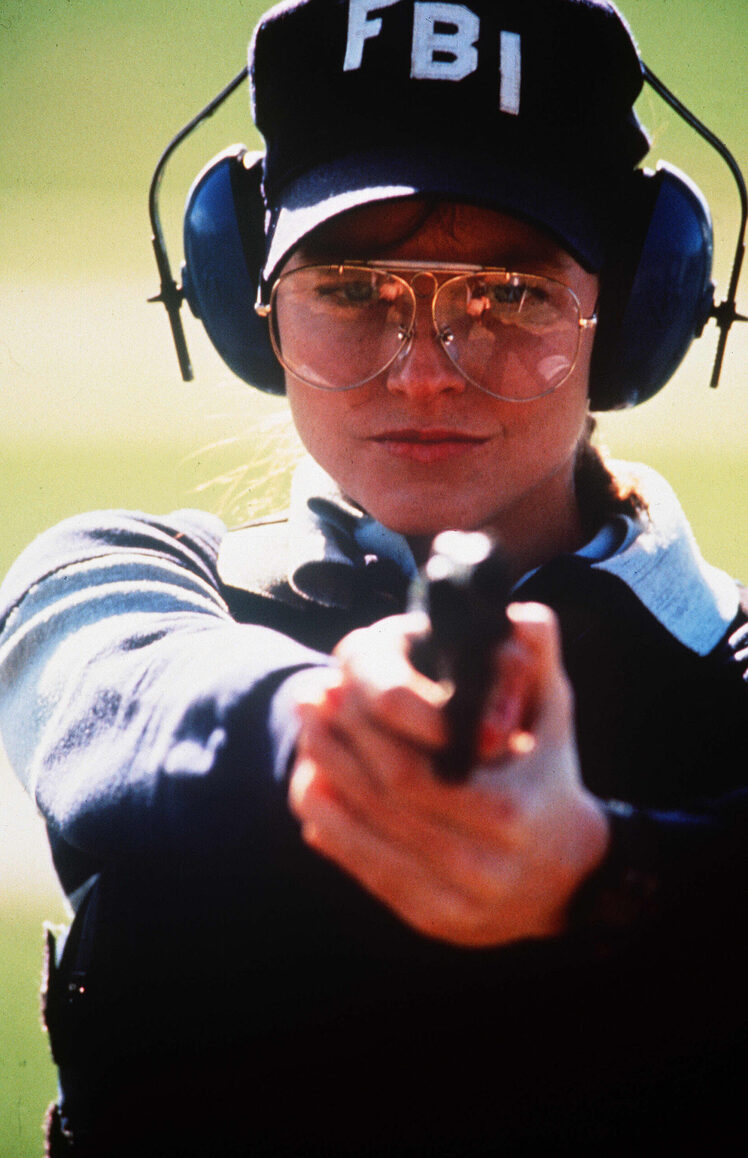
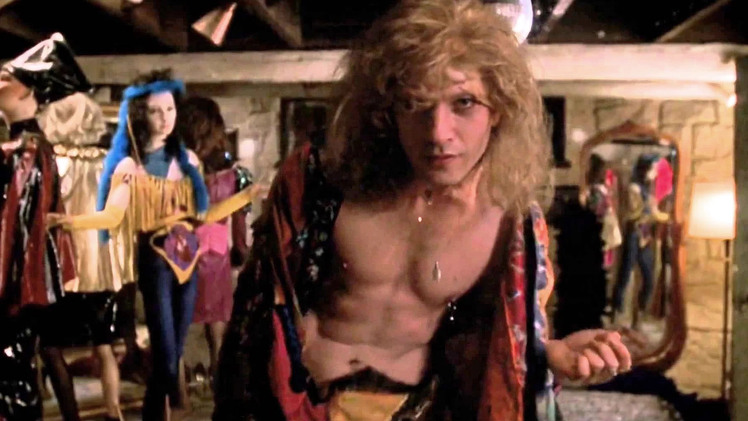
Adapted from the novel of the same name by Thomas Harris, the story follows ambitious FBI trainee Clarice Starling (Foster) as she seeks insight from imprisoned cannibal Dr. Hannibal Lecter (Hopkins) to catch another murderer, Jame Gumb — better known as Buffalo Bill (Ted Levine).
Lecter, however, was not new to the screen. He first appeared in 1986’s Manhunter, directed by Michael Mann and based on Harris’ novel Red Dragon. In that earlier adaptation, Lecter was played by Brian Cox. But Manhunter faltered at the box office, and producer Dino De Laurentiis, who owned the character rights, had little interest in continuing the franchise. He ultimately allowed Orion Pictures to move forward with the Lambs adaptation.
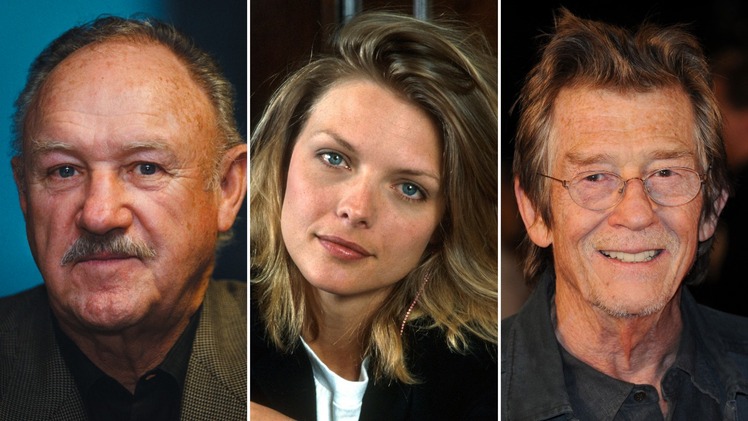
Screenwriter Tally had received an advance copy of Harris’ manuscript in 1987 and began drafting the screenplay before the novel even hit shelves. Early development proved complicated. Gene Hackman had purchased the film rights, reportedly splitting the $500,000 fee with Orion, and initially planned to write, direct and star as Lecter. He later considered portraying FBI chief Jack Crawford instead, with John Hurt as Lecter and Michelle Pfeiffer as Clarice. Pfeiffer declined, uneasy about the material’s darkness. Hackman eventually exited altogether, opening the door for Demme and Foster — who actively fought for the role of Clarice.
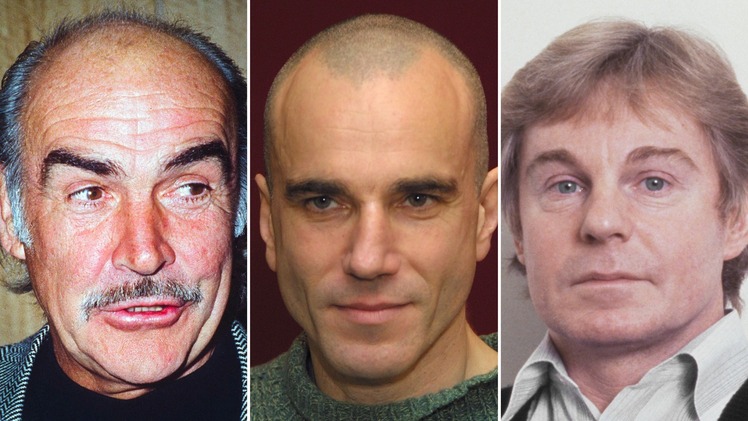
Hopkins was hardly the first choice for Lecter. Sean Connery reportedly passed, finding the script distasteful. Daniel Day-Lewis and Derek Jacobi were also considered. When Hopkins secured the role, he crafted a performance that would become iconic. He blended the precise speech of Truman Capote, the cool hauteur of Katharine Hepburn, and even the eerie calm of HAL from 2001: A Space Odyssey. Dressed in stark white, he exploited an instinctive unease many feel toward doctors and dentists — authority figures meant to heal, not harm.
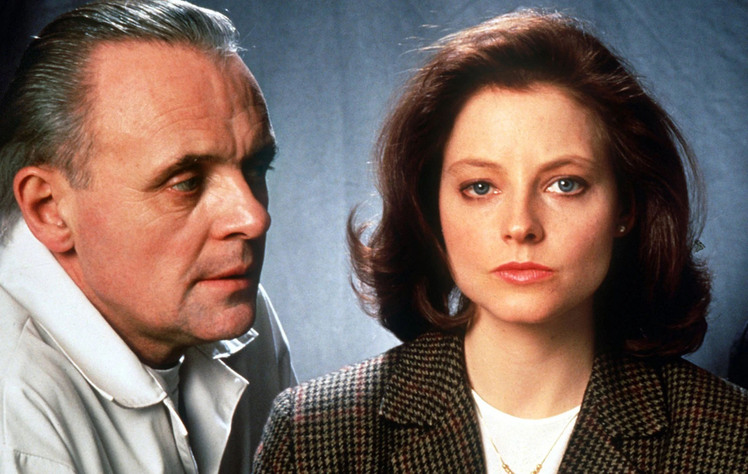
The infamous slurping sound as Lecter describes dining on a victim’s liver became instant nightmare fuel. During their first meeting, Hopkins also mockingly mimicked Starling’s Southern accent, genuinely irritating Foster — a flash of real emotion that heightened the scene’s tension.
Demme shot much of the film from Clarice’s perspective, with characters staring directly into the camera as they address her, immersing viewers in her discomfort. Levine, meanwhile, improvised Buffalo Bill’s bizarre nude dance after fortifying himself with tequila. His character drew chilling inspiration from real killers, while the notorious moth cocoons placed in victims’ throats were crafted from Tootsie Rolls and gummy bears — a surprisingly sweet solution to a gruesome filming challenge.
Originally slated for a fall 1990 release, the film was delayed because Orion was pushing Dances With Wolves for awards consideration. Released instead in February 1991, The Silence of the Lambs defied industry wisdom. Made for $19 million, it grossed $130,742,922 domestically, becoming the year’s fifth-highest earner behind leader Terminator 2: Judgment Day.
Most astonishing of all, Hopkins won Best Actor with just 24 minutes and 52 seconds of screen time — one of the briefest performances ever to claim the prize. From cast-off project to Oscar royalty, The Silence of the Lambs proved that sometimes the quietest releases make the loudest impact.